

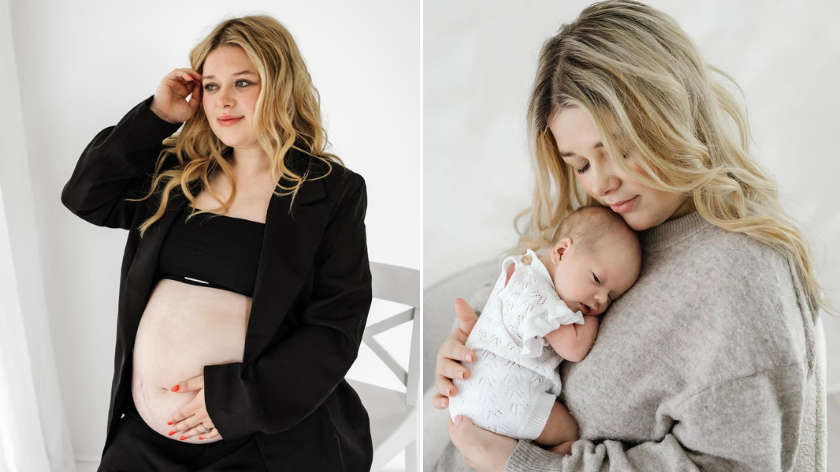
A Harrogate mum has opened up about experiencing "permanent anxiety" during pregnancy as part of a campaign calling for greater awareness of neurodivergent motherhood.
Ella Smith-Dunn said she faced intense sensory overload, repeatedly questioned whether her unborn baby was safe and worried that she would struggle to advocate for herself during labour.
The 29-year-old also found early motherhood overwhelming after her daughter Gianna, now one, was delivered by emergency caesarean section.
Ella said:
“There was no ‘pregnancy glow’ for me. I lived in permanent anxiety the whole time.
“Pregnancy was this intense overwhelm because all these things were happening inside my body and there was no escape from it for nine months.
“I was hot, sick and exhausted, I didn’t want to be touched and I felt completely overstimulated by my own body.”
Ella began exploring whether she was neurodivergent after a relative was diagnosed as autistic in adulthood.
She subsequently completed a profiling assessment which identified traits associated with ADHD and dyscalculia, but said she was told the wait for a formal assessment could be around 15 years.
During pregnancy, Ella researched different outcomes in an attempt to feel prepared, while severe sickness, exhaustion and sensory overload left her increasingly overwhelmed.
She received additional support from Harrogate-based Cocoon Healthcare, including one-to-one sessions with lead midwife Kate Mortimer.
Ella said:
“Kate was the only person who talked to me specifically about neurodivergence, pregnancy and labour, and how people with ADHD might experience things differently.
“She created a safe space where I could explain what was happening inside my head without worrying that I sounded ridiculous or irrational.”
The support included creating a personalised pain scale using facial expressions after Ella found the conventional request to rate pain from one to ten difficult.
Ella said preparing for several possible birth scenarios also helped when reduced movement led to Gianna being delivered by emergency caesarean section.
She added:
“Even though I was incredibly overstimulated, I managed to stay level-headed.”
Ella later struggled to bond with her daughter immediately and felt guilty that she had not experienced the instant rush of love she had expected.
She said:
“I remember being about two weeks in and looking at Gianna crying in the Moses basket and saying to Joe, ‘What have I done?’
“I didn’t mean I didn’t want or love her, but all I could picture was my life before. I struggled to bond with her and then felt guilty because I wasn’t feeling what I thought a new mum was supposed to feel.”
Ella said things began to change around six weeks after the birth when she stopped comparing herself with expectations of how motherhood should feel.
She said:
“I realised my baby is loved, she’s safe, she’s cared for and she has everything she needs, and that’s what matters.
“Loving your baby and needing a break from your baby aren’t mutually exclusive.”
Kate Mortimer said pregnancy could create overwhelming physical, emotional and sensory changes for neurodivergent women.
She said:
“We need to stop expecting every woman to process pregnancy, communicate pain, cope with uncertainty or experience motherhood in exactly the same way.
“Sometimes seemingly small adaptations can completely transform how safe and empowered they feel.”
Ella is sharing her experience through a Cocoon Healthcare awareness campaign calling for greater recognition of individualised and adaptive maternity care.
 Harrogate food hall launches unique pickle-filled Christmas hamper
 North Yorkshire councillors could receive 2.6 per cent allowance rise
 Plans for new multi-billion pound approach to care services
 Allerton Castle Christmas experience set to return
 Ryanair announce new flights from Leeds Bradford Airport
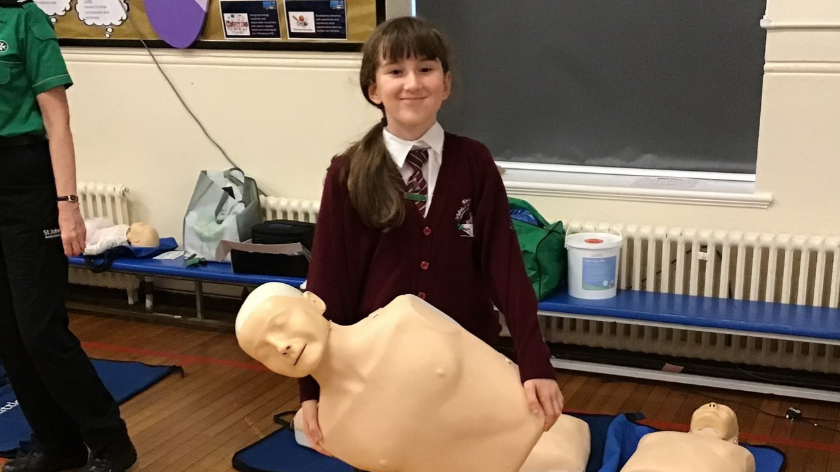 Starbeck Badger of the Year shares lifesaving skills with classmates
 Leeds Bradford Airport strikes suspended as fresh pay talks planned
 Irving Weaver appointed Life President of Harrogate Town AFC
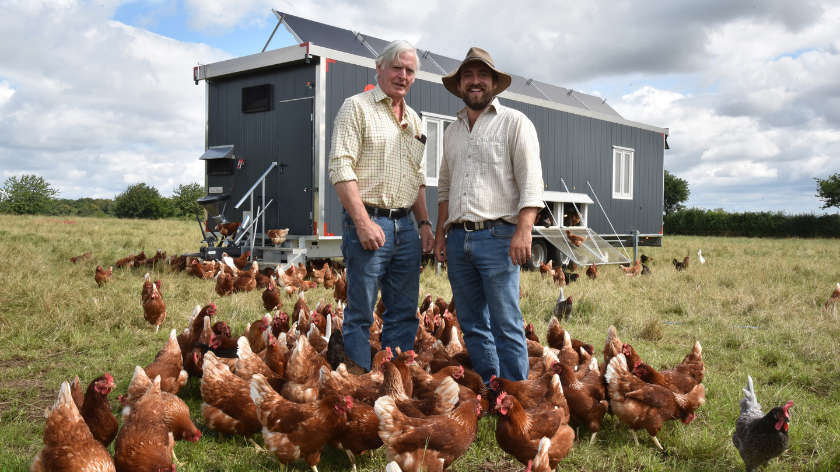 Farm near Ripon scoops national farming award
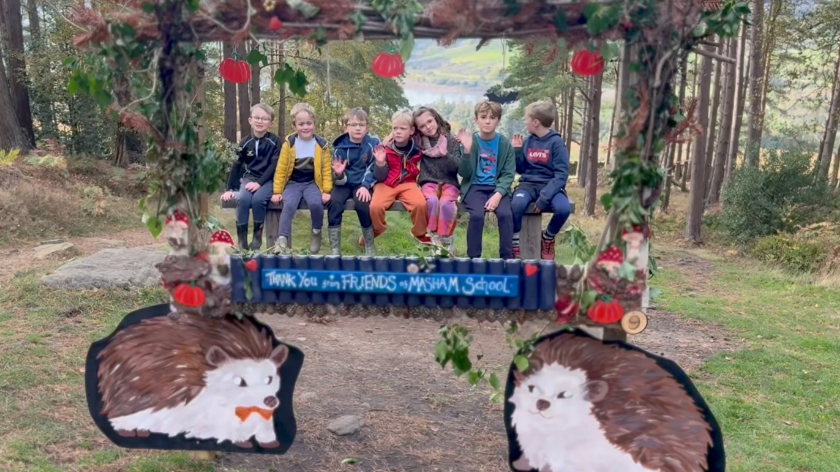 WATCH: Magical woodland trail to support Masham primary school
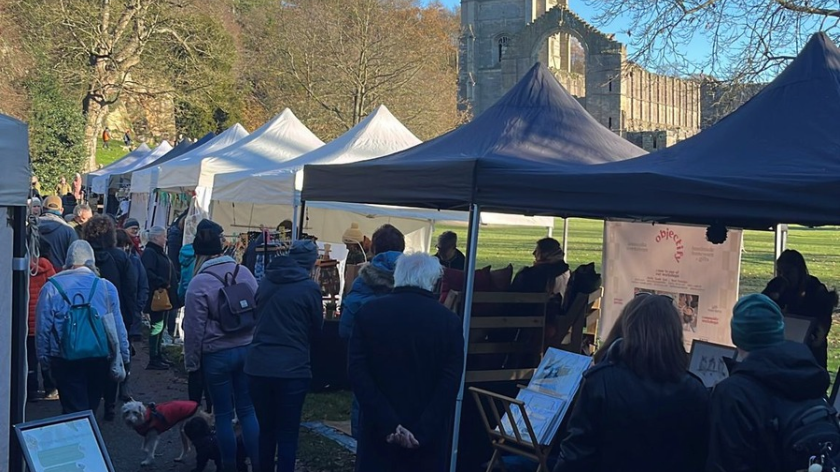 Fountains Abbey prepares to host two-day Christmas market
 New society aims to revive Harrogate's spa heritage
 Inherited jewellery: where do you start?
 Man found dead at property on Franklin Road in Harrogate
 Killinghall Village Hall goes greener with £27,000 improvement project
 Driver caught at 131mph ordered to pay over £1,500 at Harrogate court
 Knaresborough toilets upgraded after recent vandalism
 Knaresborough Scarecrow Trail to return this half term
 Yorkshire residents invited to apply for BBC's The Traitors
 North Yorkshire recycling centres could face closure