


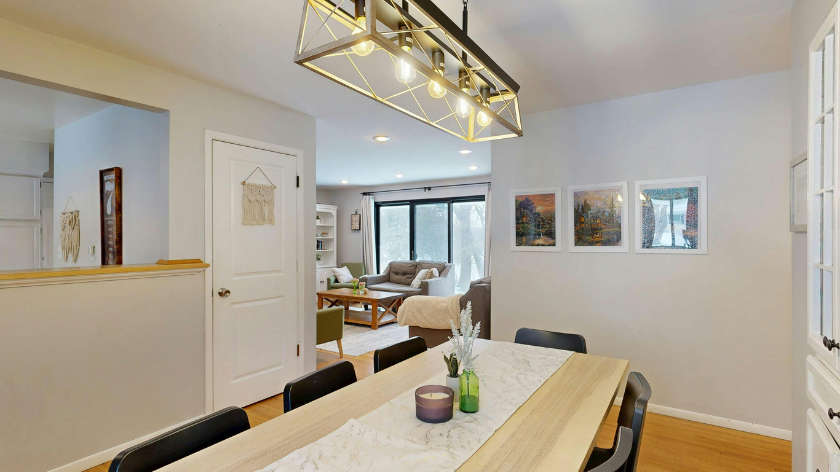
Many homeowners are shifting their focus towards improving indoor comfort. The goal isn’t always about adding more space, but about making existing rooms feel more open, bright and functional.
There are straightforward design choices and layout changes that can have a significant impact on how your home feels throughout the day. These small adjustments can help you get more out of the space you already have, whether you're working from home or simply spending more time indoors.
Let’s explore practical ways to achieve a brighter, more inviting space.
Rethink Furniture Layout
Overcrowded furniture arrangements often make rooms feel boxed in. A better layout can immediately improve flow and make it easier to navigate.
Pull furniture slightly away from the walls to create breathing space. This encourages a more natural traffic path. Avoid blocking entrances or placing bulky items near doorways. These small shifts can make your layout feel lighter.
Use low-profile furniture if your ceilings are on the shorter side. This helps keep sightlines clear and makes the room feel taller. Group furniture into conversation zones rather than lining everything against the perimeter. A small coffee table and a couple of chairs can go a long way in creating an inviting spot without dominating the entire area.
Use Colour to Your Advantage
Lighter colours help reflect light and can instantly make a room feel more open. Soft neutrals such as pale grey, cream or light beige work well across different lighting conditions. They also act as a base that allows you to add personality through accents.
For smaller spaces, keep large furniture pieces in similar tones to your walls. This creates a more cohesive look and avoids visual clutter. If you want contrast, choose accessories such as cushions, vases or rugs in deeper hues.
Avoid overly bold or dark wall colours in rooms that lack natural light. These tend to absorb light and can make a space feel more confined. A fresh coat of paint is a simple yet effective way to reset the tone of your space without major renovation.
Let in More Natural Light
Natural light plays a major role in how welcoming a space feels. Rooms with generous light often appear bigger, cleaner and more pleasant to spend time in.
Consider removing heavy curtains or swapping them out for lighter fabrics that filter rather than block the light. Choose window coverings that can be pulled back fully during the day to maximise brightness.
If your property lacks natural daylight in some rooms, specialist solutions such as roof glazing or glass extensions can help. Companies like Daylight Systems offer options that make better use of available light. Their products are designed to support brighter interiors without disrupting insulation or structure.
Using reflective surfaces like glass or polished metal near windows can also help distribute light further into a room.
Streamline Visual Clutter
Even a well-decorated room can feel tight if there’s too much on display. Keeping surfaces clear and storage contained is essential when aiming for a more open environment.
Built-in shelves or modular storage systems help tuck away everyday items. Choose closed storage over open units for things you don’t need to see all the time.
Wires, chargers, remote controls and other devices can quickly make a room feel cluttered. Use cable boxes or storage baskets to keep them hidden but accessible.
Try sticking to a few decorative accents per surface. Over-decorating every shelf or countertop tends to overwhelm the eye and reduces the sense of space.
Add Mirrors and Reflective Surfaces
Mirrors help bounce light around a room and give the illusion of more space. A well-placed mirror opposite a window can make a big difference in how bright and open your space feels.
Stick to one or two statement mirrors rather than several small ones. Large wall mirrors in hallways or dining areas create a stronger impact.
Reflective materials such as chrome, polished wood, or high-gloss cabinetry also contribute to a brighter, sleeker look. These touches help create visual depth, even in smaller rooms.
Avoid overdoing it, though — too many reflective surfaces can feel clinical rather than comfortable. Balance is key.
Choose the Right Lighting Fixtures
Artificial lighting plays a vital role when natural daylight is limited. Well-planned lighting makes rooms feel warmer, more functional and visually balanced.
Use layered lighting for better control throughout the day. Ambient lights like ceiling pendants provide general brightness, while task lights at desks or countertops focus light where it’s needed. Accent lights, such as wall sconces or floor lamps, add a softer tone in the evenings.
Opt for warm white LED bulbs for a more inviting feel. Avoid cool-toned lighting in living areas unless you need a strong, focused beam.
Choose lighting fixtures that suit the scale of your room. Oversized pendant lights in a small room can overpower the space, while too-small fixtures get lost.
Open Up Sightlines Where Possible
Tight spaces often feel even smaller when tall furniture or dividers block the view across a room. Improving sightlines can help the entire area feel more open.
Replace bulky furniture with lower-profile options. Swap solid shelving units for open ones or use see-through storage where possible. Removing or adjusting any non-structural partitions also creates a stronger sense of flow.
Choose furniture with legs rather than boxy bases to create more visible floor space. This subtle trick makes rooms look less cramped.
Keep window areas clear and avoid placing tall items nearby. Allowing your eyes to travel further across the room instantly changes how the space feels.
Simple Choices That Make a Lasting Difference
Thoughtful changes to layout, light and storage can dramatically improve how a room feels without needing major renovations.
Focus on design choices that make your space easier to use and more pleasant to live in. Use colour wisely, clear clutter, and let in as much light as possible.
Professional solutions like those from Daylight Systems support more ambitious changes, especially where natural light is lacking. These options can enhance your home’s usability while maintaining its character.
Ready to Make Your Space Feel Bigger and Brighter?
Start with one room and make gradual updates. The impact often builds quickly once layout and light improve.
Try small shifts in furniture placement or experiment with lighter wall colours. If you’re thinking long-term, consider lighting upgrades or exploring what structural changes might be possible.
Your home should reflect how you want to feel — open, comfortable and calm. Making those small adjustments now sets the tone for a better everyday experience throughout the year.