

Both Blackjack and Roulette are fixtures in live casino.
They sit side by side in the same lobby, but the way each game is physically set up and managed in a real life studio gaming context is quite different. They share the same regulatory framework, but the operational demands on each are not the same.
The physical setup
A Roulette table is built around one central object: the wheel. Cameras cover it from multiple angles, alongside the wide betting layout that runs beside it. The wheel is a calibrated piece of equipment, regularly inspected and replaced under regulatory guidelines.
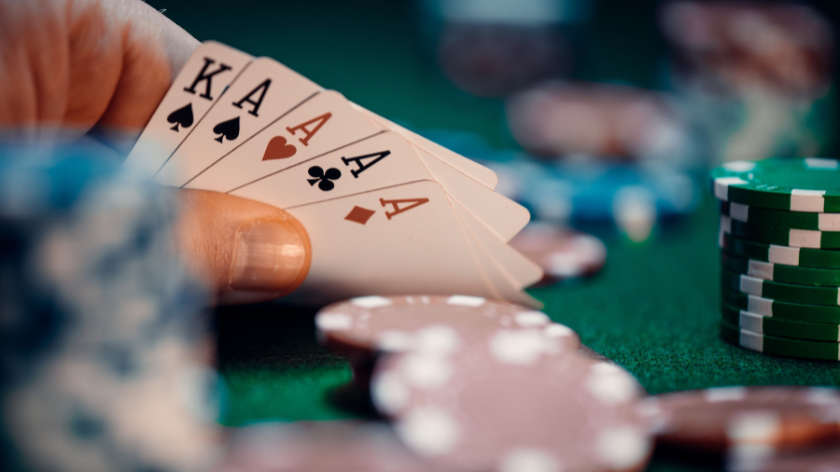
A Blackjack table has no fixed centrepiece. The focus is an ongoing sequence of cards dealt from a shoe, with cameras positioned to track each card and the dealer's hands throughout the round. Studios generally use multi-deck shoes, and many now run continuous shuffling machines so the next hand is ready without a break in play.
How outcomes are produced
In live Blackjack, the result of each hand builds gradually. As each card is dealt, optical character recognition (OCR) software reads it and feeds the value to your screen, with hand totals updating automatically as play develops. The process repeats across every player at the table before the round closes.
Roulette resolves quite differently. Rather than building through a sequence of card reads, the entire outcome comes down to a single physical event: the ball settling in a numbered pocket. The dealer calls the result, the software registers it, and the round is done.
Neither game uses random number generator software, and both depend entirely on what happens physically in the studio, which is part of why each is regulated the way it is.
The dealer's role
A live Blackjack dealer manages an active table of multiple players simultaneously, working through a defined sequence of decisions for each hand. The role is structured and continuous throughout the round.
A live Roulette dealer's work is organised around the wheel. They announce when bets are open, spin the wheel, and call the result when the ball settles. Between the spin and the call, there's a natural pause in the action that doesn't exist in Blackjack. The pacing of the two roles is noticeably different, and the training required for each reflects that.
How the betting window works
In live Blackjack, bets are confirmed before the hand begins. Once the dealer starts dealing, the round is underway and nothing can be added or changed.
Live Roulette operates on a longer timeline. The betting window stays open after the wheel starts spinning, only closing when the dealer calls no more bets and the system locks all entries. This gives players more time to place bets per round, but it also means the window is finite and enforced by the platform, not by the dealer alone.
It's a structural difference that shapes how each game feels to follow, even if the underlying principle is the same. Both games are governed by chance. In Blackjack, the order the cards fall determines the outcome. In Roulette, it's where the ball lands. Neither gives players any influence over that.