

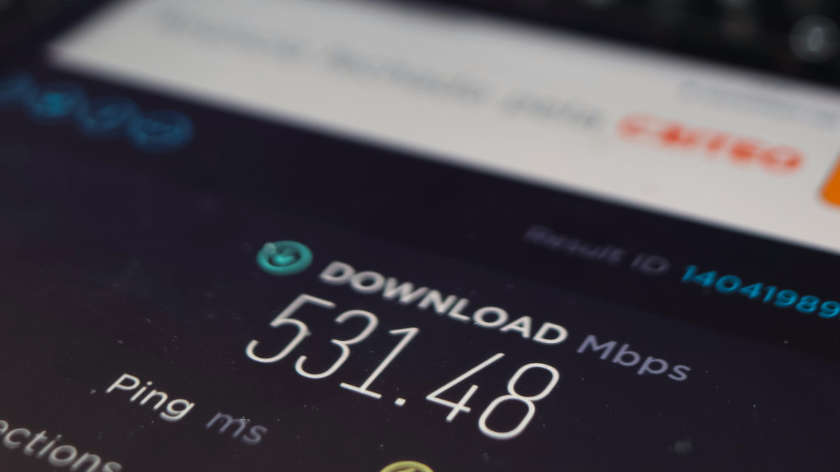
Have you ever found yourself tapping your foot impatiently while waiting for a webpage to load, or checking your banking app moments after a transfer to see if the money has arrived?
If so, you are certainly not alone. The pace of life in 2026 has accelerated to a point where waiting feels less like a necessary pause and more like a systemic failure. From same-day deliveries dropping on our doorsteps in Harrogate to instant streaming of the latest box sets, our tolerance for delay has diminished significantly over the last decade.
The psychology behind our need for speed is deeply rooted in the digital environment we have constructed. When every click offers a potential dopamine hit—whether it’s a "like" on social media or a shipping confirmation email—our brains become wired to expect immediate feedback. This phenomenon, often termed "instant gratification," has moved from our screens into our physical lives. We no longer view snacking or shopping merely as functional activities; they have evolved into forms of emotional regulation and self-care.
This shift is particularly visible in how we approach food and daily treats. The concept of "treating oneself" has morphed from an occasional luxury into a frequent, fast-paced habit designed to boost our mood instantly. For many consumers across the UK and Europe, a quick snack or a spontaneous purchase is seen as a necessary wellness tool—a way to reclaim control in a chaotic world. The act of buying something and receiving it immediately provides a brief but powerful sense of satisfaction that traditional, slower consumption models struggle to replicate.
The impact of this "now" culture is perhaps most evident in how businesses foster loyalty. In the past, a coffee shop in Harrogate might have relied on a paper stamp card, asking customers to buy nine drinks over several weeks to earn a free tenth one. While charming, this model is rapidly being outpaced by digital schemes that offer instant rewards. Today’s consumer is far more likely to engage with a brand that offers immediate benefits, such as a discount on their current order or instant access to exclusive perks, rather than a promise of future gratification.
Moreover, the friction—or lack thereof—in the payment process itself has become a key driver of loyalty. If a transaction takes too long or requires too many steps, the modern consumer is liable to abandon the purchase entirely. We have grown accustomed to "one-click" ordering and contactless payments that take milliseconds. Any brand that introduces friction into this process, whether through slow card machines or complex checkout forms, risks being perceived as behind the times. Speed is no longer just a feature; it is the foundation of trust between the consumer and the business.
Nowhere is the demand for immediacy more aggressive than in the digital entertainment sector. Whether it is streaming a 4K movie without buffering or playing online games, the user base has zero tolerance for lag. This expectation extends beyond the content itself to the administrative side of these platforms. Users expect sign-ups, downloads, and account management to be instantaneous. In the iGaming sector, efficiency is paramount; for instance, GamblingInsider reviews fastest payout sites to demonstrate which casino operators are meeting the demand for instant access to funds, usually by allowing players to pay with cryptocurrencies.
This focus on transaction speed in entertainment highlights a broader issue of digital trust. When a user wins a game or completes a challenge, the reward mechanism must be immediate to maintain the immersive experience. If a platform holds onto assets or delays a process for days, it breaks the psychological contract with the user. The excitement of the moment fades, replaced by frustration. Consequently, platforms that prioritize rapid processing are seeing higher retention rates compared to their slower competitors.
While the consumer demand for speed is undeniable, it brings with it significant challenges regarding quality and financial security. There is often a tension between doing things fast and doing them well. However, the market has shown remarkable resilience in this area. For example, despite economic headwinds, UK food and beverage delivery spending was projected to hit £14.3 billion last year, proving that consumers are willing to pay a premium for the convenience of quick delivery, even when budgets are tight.
Looking ahead, the successful businesses of the future will be those that can marry speed with substance. As we move through 2026, we are likely to see a stabilization where "instant" becomes the baseline expectation rather than a unique selling point. The real value will come from brands that can deliver that speed without compromising on the quality of the product or the security of the transaction. For the residents of Harrogate and beyond, the question is no longer "how long will it take?" but rather "how good can it be, right now?"