


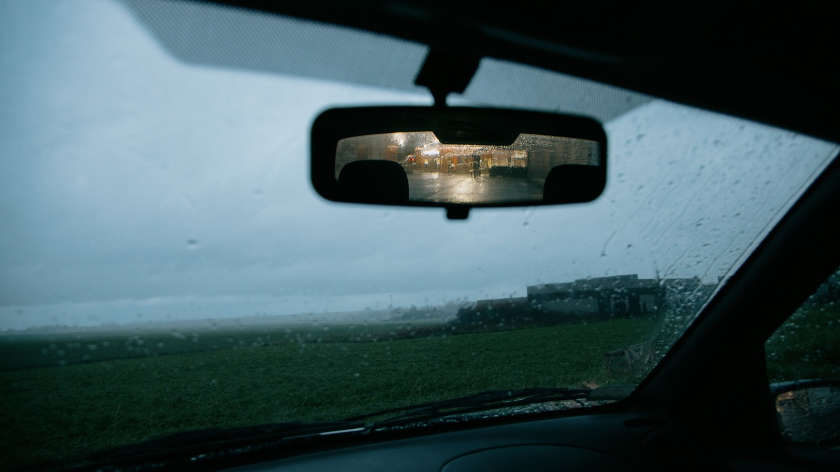
Residents of Harrogate and the surrounding North Yorkshire area are familiar with unpredictable weather.
Moisture carried in from the Pennines, combined with the region's changeable autumn and winter conditions, means drivers regularly contend with windscreens streaked by rain, road spray or fine drizzle. A component as ordinary as a wiper blade is easy to overlook, until it fails on a dark, wet road.
A region where conditions change quickly
North Yorkshire's mix of open moorland, rolling dales and low-lying valleys allows weather conditions to shift within a short period. A clear morning can turn into sustained rain by early afternoon, and the region experiences frequent low cloud, mist and persistent light rain, particularly between autumn and early spring. This pattern is not unusual for the area, but it does mean that maintaining visibility, rather than responding to any single severe weather event, is the recurring challenge for local drivers.
This is the context in which windscreen wipers perform a critical function. Although not a prominent feature of the vehicle, they are one of the few components required to operate continuously and reliably whenever rainfall occurs.
How worn wipers reduce visibility
Wiper blades rarely fail without warning. Deterioration is usually gradual and can be difficult to notice without regular inspection. Rubber hardens and cracks over time due to age and UV exposure, and the fine edge responsible for clearing water evenly begins to develop nicks or an uneven bevel. The result is streaking, smearing or areas of the windscreen that the blade fails to clear.
On a dry, well-lit road, this may amount to little more than an inconvenience. On a wet, unlit stretch of road at dusk, which is common across North Yorkshire, even a brief reduction in visibility can be significant. Glare from oncoming headlights combined with a smeared windscreen can make road markings, pedestrians and other hazards more difficult to identify.
Signs that wipers require attention
Several indicators typically appear before a wiper blade fails completely:
- Streaking or smearing across part of the glass, rather than a clean, even sweep
- Judder or skipping, where the blade fails to sit flush against the windscreen
- A rasping or squeaking noise during operation, often associated with hardened rubber
- Visible cracking or splitting along the blade edge
- Reduced clearing speed, where water accumulates faster than the wiper can remove it
Any of these signs may have more than one cause. Streaking, for example, can result from a dirty windscreen or degraded washer fluid rather than the blade itself, so it is worth cleaning the glass thoroughly before concluding that the blade requires replacement. If the issue persists after cleaning, the blade is the more probable cause.
A year-round consideration, not only a winter task
Wiper checks are often associated with pre-winter preparation, alongside tasks such as checking antifreeze and battery condition. In practice, rubber wiper blades wear steadily throughout the year, and UV exposure during warmer months can affect them as significantly as cold weather.
As a general guide, wiper blades tend to last between six and twelve months under normal conditions. In regions with more extreme weather, whether harsher winters or extended periods of strong sun, this interval can be reduced to approximately four to six months. Given the amount of time North Yorkshire spends under overcast, damp conditions, it is reasonable to treat the shorter end of this range as the more realistic benchmark rather than waiting a full year between checks. A visual inspection every few months, checking for cracking, confirming a smooth edge and observing performance in light rain, is a more reliable approach than relying on a seasonal reminder.
Selecting a replacement
When replacement becomes necessary, correct fit and blade type are more important than many drivers assume. Wiper arm and blade lengths vary between makes and models, and many modern vehicles require specific connector types rather than a universal fitting. Drivers can browse wiper blades at onlinecarparts.co.uk by vehicle make and model to confirm the correct specification before purchasing, which avoids an unnecessary return trip.
Cost is rarely a significant obstacle. Replacement blades typically range from approximately £5 to £37 each, depending on size and brand, placing a full pair well within the scope of routine maintenance expenditure.
A small component that warrants attention
Windscreen wipers are seldom considered until the moment they are most needed, typically during heavy rain on an unfamiliar road. For drivers across North Yorkshire, where damp and changeable weather forms part of everyday driving conditions, a periodic check remains a reasonable measure for maintaining clear visibility.