

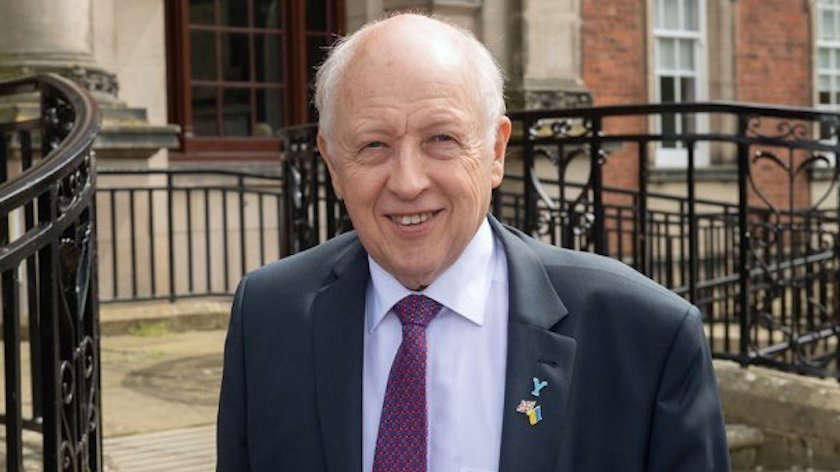
North Yorkshire Council’s leader has warned that plans to create fewer, larger police forces could leave rural communities competing for resources with bigger urban areas.
Councillor Carl Les will tell the authority’s full council meeting on Wednesday that while there may be benefits to larger forces through shared resources, a wider regional approach risks failing to recognise the specific challenges faced by rural communities.
The council leader and chief executive, Richard Flinton, have recently submitted evidence to the Independent Review of Police Force Structures, which is considering proposals for changes to the way police forces are organised across the country.
In January, the government confirmed its intention to merge the existing 43 forces across England and Wales into larger, regional forces as part of reforms.
The review is being carried out to advise the government on how to take the force merger plans forward.
In his statement to councillors, Cllr Les says there is a risk that rural areas could face “disproportionate competition” for policing resources against larger towns and cities, where demand can often be more visible and prioritised.
He argues that North Yorkshire’s rural character requires a policing model that reflects local needs, particularly around crimes which affect farming communities, businesses and heritage sites.
He said:
“North Yorkshire’s distinct rural profile demands a policing model that reflects its unique challenges."
The council leader highlights issues including livestock and agricultural theft, damage to farming and heritage assets, and environmental offences such as fly-tipping as examples of crimes requiring a locally informed response.
He adds that these offences can have significant financial and social impacts on rural communities and require strong links between police, councils and other local organisations.
Cllr Les says existing partnerships, including community safety groups, safeguarding bodies and the Local Resilience Forum, have been built around local knowledge and trusted relationships.
He warns that moving towards a larger regional policing model could risk weakening those arrangements and reducing the focus on individual communities.
He said:
“Having officers visible and accessible in all areas of our county is critical both for the understanding of communities’ needs and for the timeliness of response."
The council leader says the challenge is finding the right balance between gaining efficiencies from working at a larger scale while ensuring local concerns continue to be recognised.
He adds that the authority will continue to highlight the needs of North Yorkshire’s diverse communities as the review progresses.
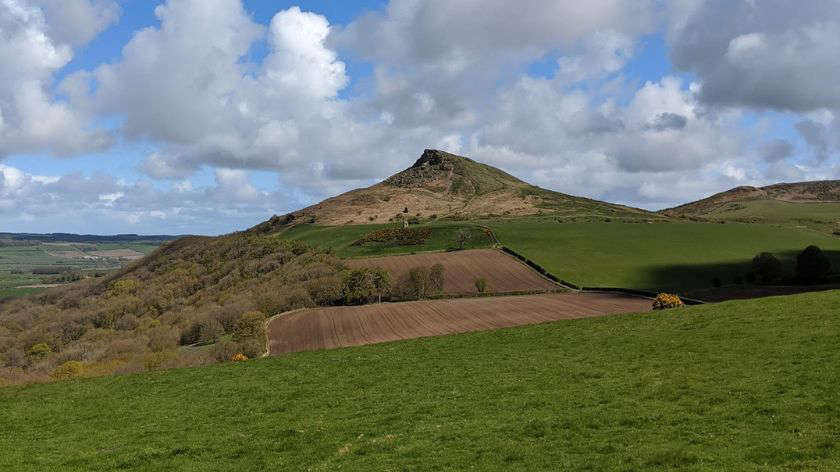 Harrogate-based Sporting Influence Foundation to tackle 24 climbs in 24 hours
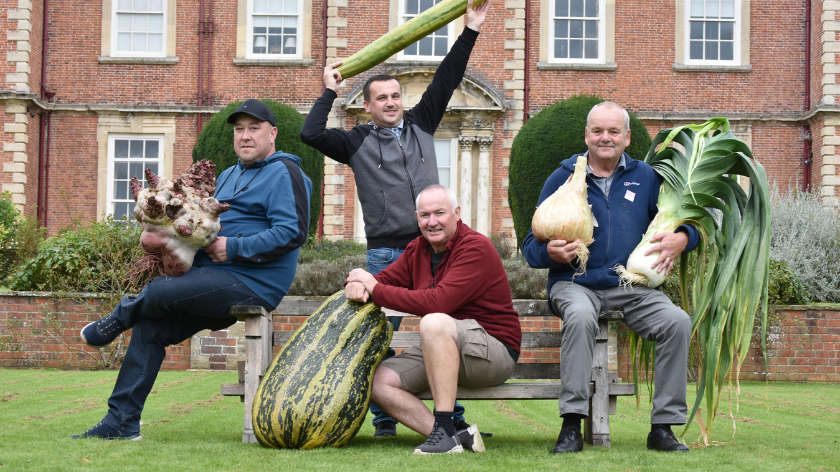 Giant vegetables take centre stage at Harrogate Autumn Flower Show
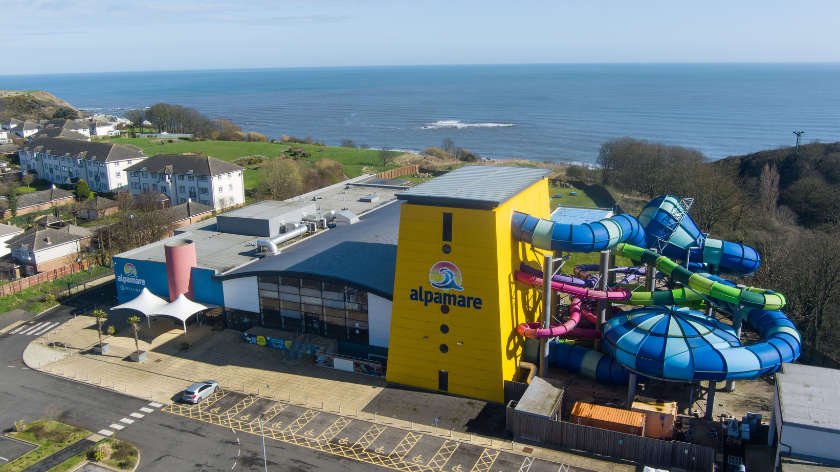 Alpamare waterpark to be sold to 'protect its future' with private investment
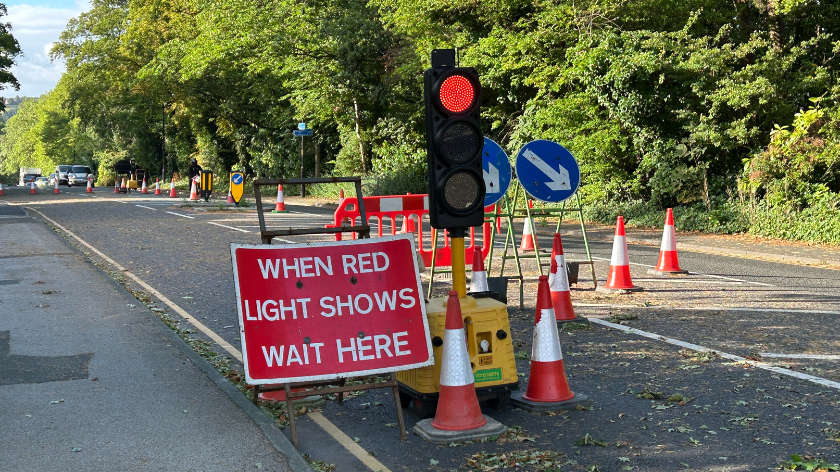 Roadworks causing growing disruption in Harrogate and Knaresborough, officials admit
 Yorkshire artist brings Harrogate's Old Market Hall back to life
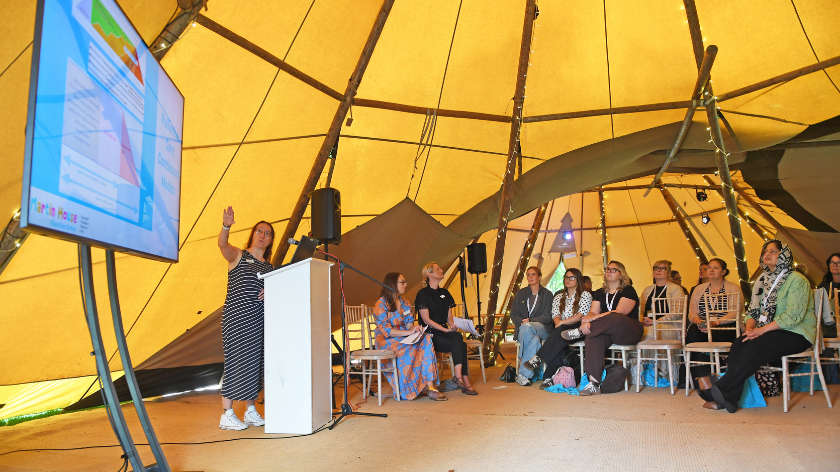 Martin House hosts first children's palliative care conference
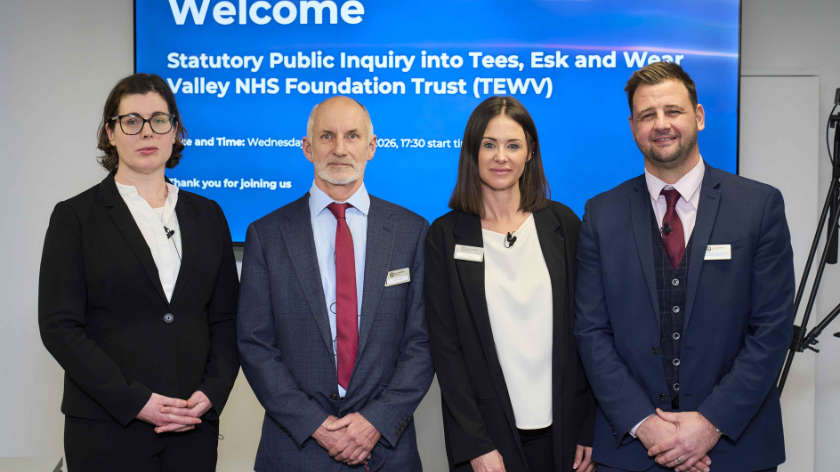 Judge appointed to lead inquiry into North Yorkshire mental health trust
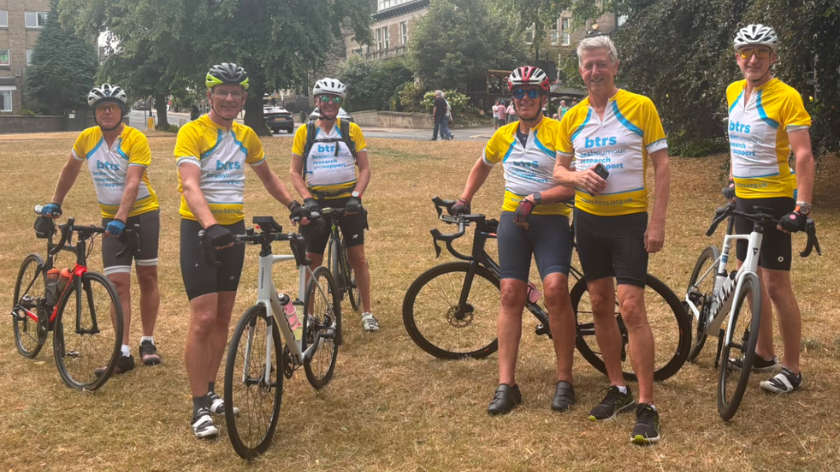 Harrogate group raise more than £40,000 with cycle to Bordeaux
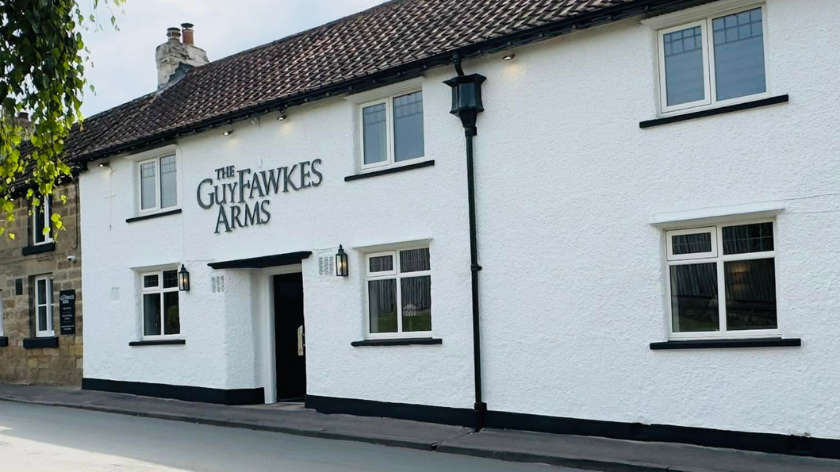 Scotton pub wins Tripadvisor award for seventh year running
 Almost 2,000 people sign Knaresborough landslip petition
 Police appeal after Range Rover damaged in Knaresborough
 St Aidan's teacher recognised at national Teacher of the Year Awards
 Bramham Park to host its first Christmas market
 Harvest gown unveiled for flower show's 50th anniversary
 Ripon's Mario's Restaurant named among Tripadvisor's top 10%
 Harrogate Rugby Club reveals plans for clubhouse expansion and padel courts
 Police appeal after Lister House minibus vandalised in Ripon
 Council urged to "show me the money" and provide evidence of home-to-school policy change savings
 Kate Mosse and Prue Leith among stars of Harrogate Literature Festival
 Ripon among UK's top cities for missing parcels