

New plans have been submitted to redevelop a former Second World War prisoner of war hostel after previous proposals were rejected.
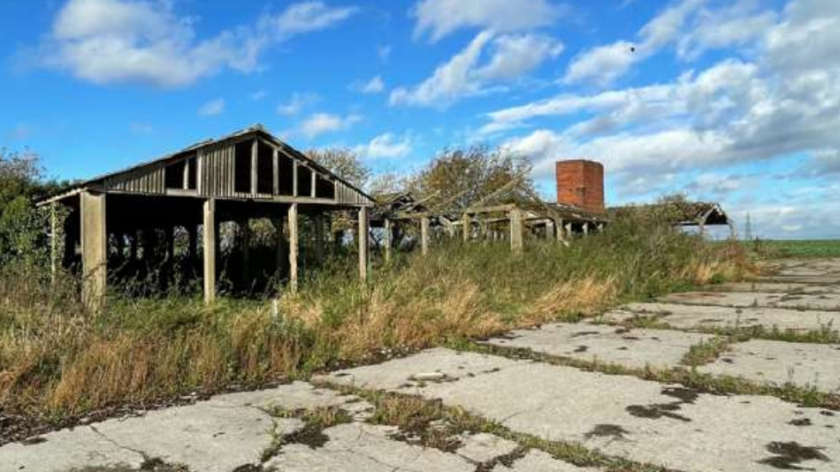
The plans would see the derelict buildings at Camp 53, in Kirk Deighton, near Wetherby, demolished except for the site’s distinctive brick water tower, which would be retained and incorporated into the development.
Three contemporary family homes would then be built on the site, together with a new access road, landscaping and ecological improvements.
The former camp housed both Italian and German prisoners of war before later falling into disrepair.
The existing buildings are now described as being in a poor structural condition, with corrosion, broken cladding and asbestos roofing.
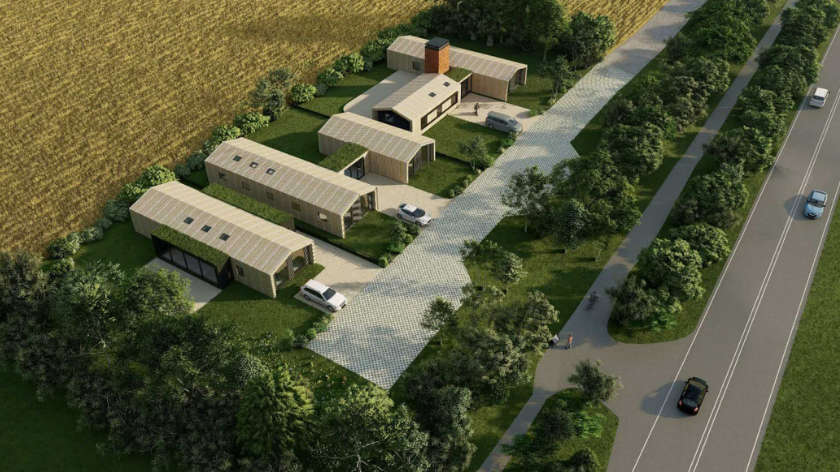
A previous application for three homes was refused by Harrogate Borough Council in June 2024 following concerns over landscape impact, the effect on the site’s non-designated heritage value and highway access.
The refusal was challenged at appeal, but the Planning Inspector dismissed the appeal after concluding the proposed access arrangements and the cumulative landscape impact remained unacceptable.
However, the inspector also praised several aspects of the development, finding the architectural approach to be sympathetic to the site’s history.
A previous scheme for five houses on the site was turned down in 2017 and dismissed at appeal.
Supporting documents submitted with the new application say the proposals “seek to balance the preservation of the site’s historic significance with the creation of three high-quality homes”.
They add:
“The revised scheme therefore represents a considered and sensitive design response that secures the future of this historic site and delivers a development that is informed by its heritage, integrated within the landscape, and reflective of the unique character of Camp 53.”
The applicants say the retention of the water tower is “fundamental to the design approach, providing a focal point for the development and preserving the most prominent surviving element of the former camp”.
The hostel was a satellite camp linked with the larger Scriven Hall internment centre nearby.
The hostels had less stringent security than camps for the most dangerous prisoners, and the men were allowed to leave to work on local farms.
It originally had a cookhouse, dining room, accommodation and recreation huts.
The camp was in use until 1948, when the last of the detainees were repatriated.
 Harrogate-based Sporting Influence Foundation to tackle 24 climbs in 24 hours
 Giant vegetables take centre stage at Harrogate Autumn Flower Show
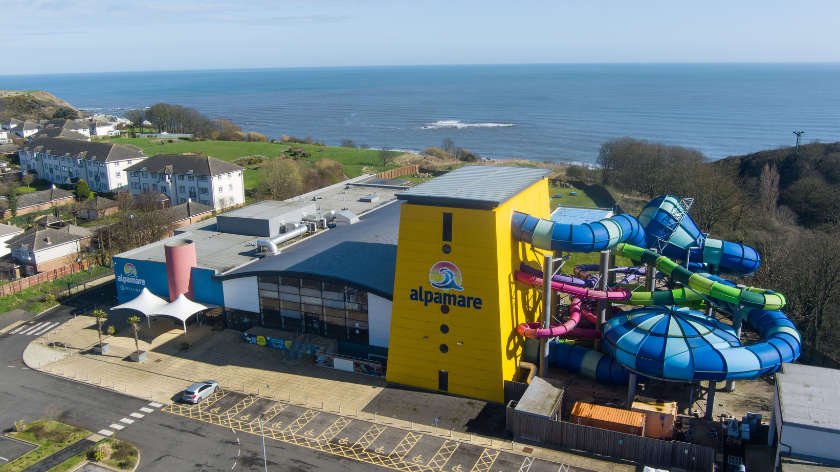 Alpamare waterpark to be sold to 'protect its future' with private investment
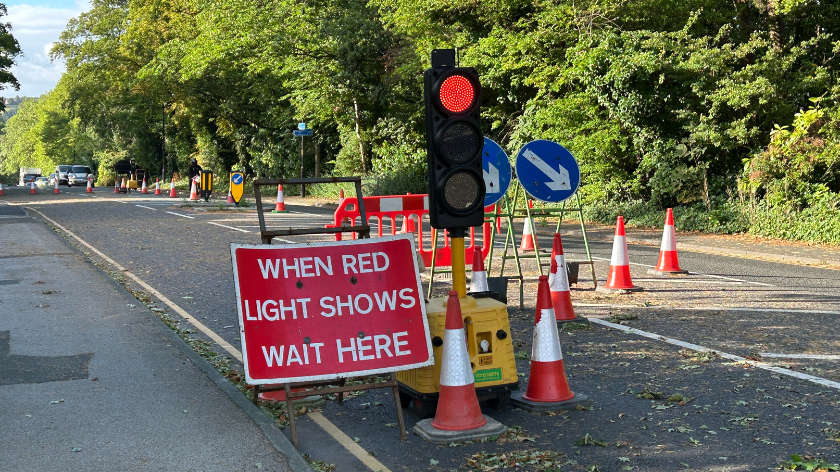 Roadworks causing growing disruption in Harrogate and Knaresborough, officials admit
 Yorkshire artist brings Harrogate's Old Market Hall back to life
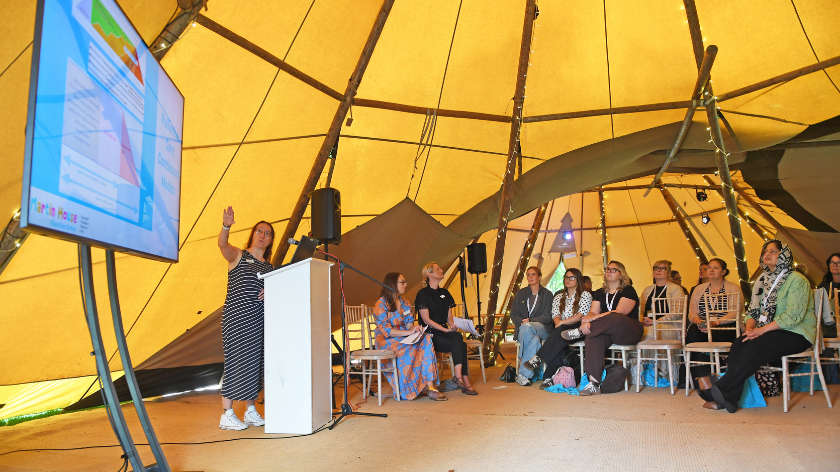 Martin House hosts first children's palliative care conference
 Judge appointed to lead inquiry into North Yorkshire mental health trust
 Harrogate group raise more than £40,000 with cycle to Bordeaux
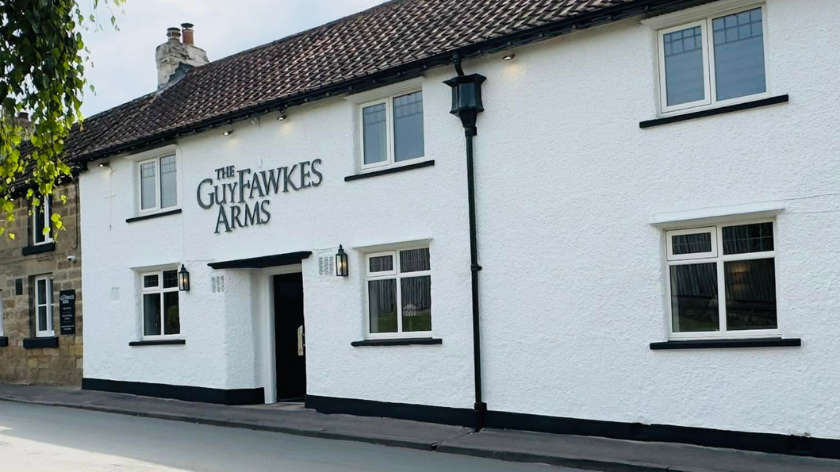 Scotton pub wins Tripadvisor award for seventh year running
 Almost 2,000 people sign Knaresborough landslip petition
 Police appeal after Range Rover damaged in Knaresborough
 St Aidan's teacher recognised at national Teacher of the Year Awards
 Bramham Park to host its first Christmas market
 Harvest gown unveiled for flower show's 50th anniversary
 Ripon's Mario's Restaurant named among Tripadvisor's top 10%
 Harrogate Rugby Club reveals plans for clubhouse expansion and padel courts
 Police appeal after Lister House minibus vandalised in Ripon
 Council urged to "show me the money" and provide evidence of home-to-school policy change savings
 Kate Mosse and Prue Leith among stars of Harrogate Literature Festival
 Ripon among UK's top cities for missing parcels