

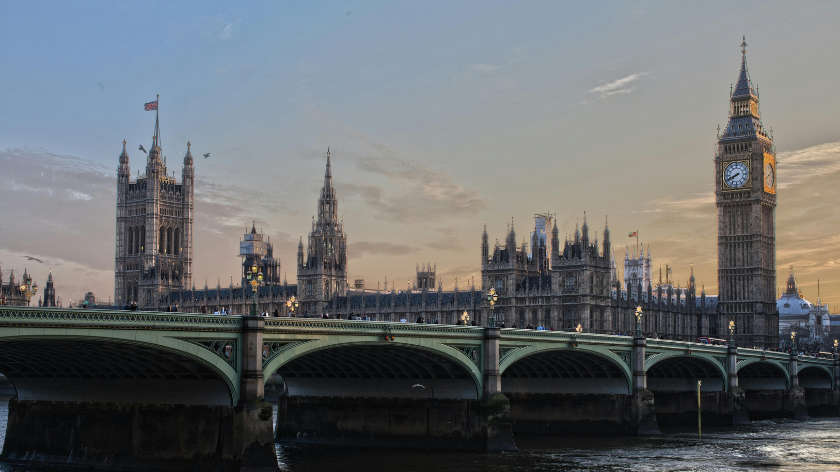
There have been growing calls from Parliament to increase gambling taxes further.
The argument for the requests centre around the idea that current rates fail to reflect the kind of profits made by major gambling operators. There are also calls for more sponsorships and contributions to public services from operators. Much of this has not been received well by the industry, who feel that the gambling sector is already treated far more harshly than others.
Many MPs insist the new regime they seek is aimed at a more balanced system, but the industry argues that it is disproportionate and seems almost punitive. Worse yet, most allude to the fact that all an increased tax will accomplish is causing more operators to move offshore and take their business and tax contributions with them. Many also point to the fact that all the added regulations and taxes in recent years are leading players to look for more decentralised markets.
As more players seek trusted and top rated online casinos to play on, options like no-KYC casinos are becoming more popular. These sites dispense traditional registration processes and do not fall under local regulations. This makes them more streamlined, private, and free of what players deem to be overly harsh local restrictions that are killing the industry.
If the proposed added taxes are to come into play, many believe these alternative markets will keep growing. Time and time again, the industry argues that added regulations simply push operators and players toward offshore operators. In most cases, it's because they want to play their way and not be forced into restrictive and limited platforms where everything is regulated. This all comes about in a growing debate over whether the government is overstepping its bounds amid other hot-button issues like controversial digital ID proposals.
The idea of raising taxes on gambling profits has received both support and scepticism within Westminster. Proponents believe that extra revenue could be directed toward social programs. Opponents, mainly industry stakeholders, argue that such measures could encourage players to move toward unlicensed or overseas platforms. The government is reviewing multiple proposals, including a possible tiered system that would place higher rates on online betting, where profits tend to be larger. However, there's also a debate over whether such a move would be fair. Taxing one sector of the industry more than others is seen as discriminatory at best. At worst, it's being construed as being punished for being successful.
Rachel Reeves has yet to confirm whether she will introduce any changes in her next budget statement. Sources close to the Treasury suggest that discussions are ongoing, with officials examining models used in other European countries. There is particular interest in how France and Spain have managed to balance public funding with private sector sustainability. Some advisers believe the United Kingdom could benefit from a similar approach, though critics warn that new taxes could reduce investment in local technology and marketing jobs.
Insiders maintain that operators are already shelling out exorbitant amounts, while the tax the rich debate isn't fully settled by any means. Aside from taxes, there are also duties and compliance fees. These are all in addition to the raft of regulations operators must already adhere to just for the right to conduct business in the UK. While many see the UK Gambling Commission as one of the best gambling regulators, critics argue that it's one of the harshest from an operator's POV, given how stringent and wide-ranging its rules are.
Conclusion
The pressure on Rachel Reeves over this issue is reflective of a wider shift. Public expectations are not completely aligned, nor is sentiment over the wide debates. Many feel that the UK is moving in the wrong direction in a number of issues related to government overreach. At the same time, many point toward how little industry opinion or the public's voice is taken into account when pushing forward with policy decisions that affect them.